

What Are Piggyback Labels and Why Do Businesses Use Them?
Labeling may seem simple, but when products, paperwork, and inventory all need to stay connected, using multiple labels for the same item can quickly slow operations down.
Piggyback labels offer a smarter solution, helping businesses transfer information between products, documents, and tracking systems more efficiently.
Let’s take a closer look at how they work and why so many industries rely on them.
What Are Piggyback Labels?
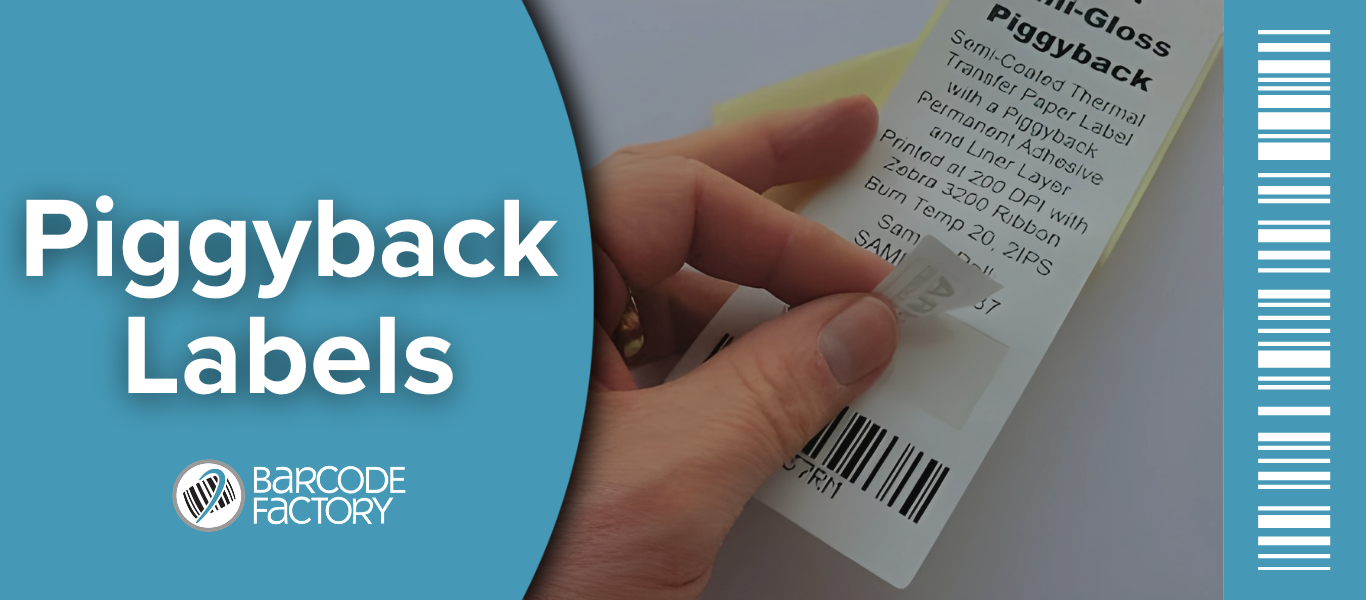
A piggyback label is essentially a two-layer labeling system designed to make tracking and documentation easier.
The main label is applied to a product, package, or asset just like a normal label. On top of that base label sits a second removable label. This smaller label can be peeled off and applied to another location while the base label remains in place.
Think of it like a label with a detachable copy built into it.
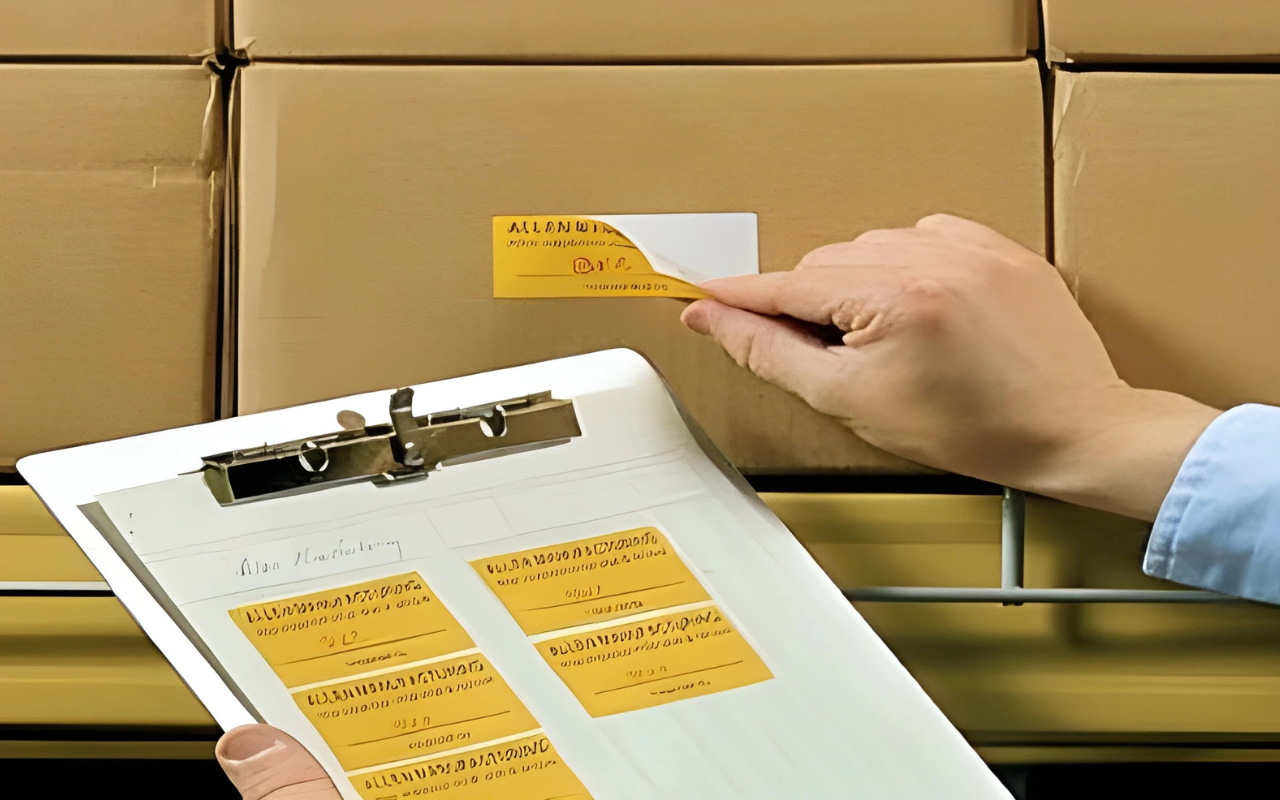
For example, a warehouse might place a piggyback label on a package. The main label stays on the box, while the removable label is placed on a packing slip or inventory sheet. Both labels contain the same barcode or tracking information, making it easy to link records together.
Piggyback labels can be printed with:
• Barcodes
• Product identification numbers
• Shipping information
• Inventory tracking data
They are commonly used with direct thermal or thermal transfer printers, allowing businesses to print labels on demand or use preprinted versions depending on their needs.
Another useful feature is that piggyback labels can be custom designed with die-cut shapes or slits. Slits divide the removable portion into multiple smaller labels, allowing several labels to be peeled from a single printed label. This makes it possible to apply the same barcode or identifier to multiple documents or systems without printing additional labels.
This flexible design is what makes piggyback labels so useful in operations where information needs to move between products, records, and tracking systems.
Why Businesses Use Piggyback Labels
Piggyback labels are popular because they simplify labeling processes while improving tracking accuracy. Instead of printing and applying multiple labels, businesses can complete several tasks with a single label.
Let’s take a look at some reasons businesses use piggyback labels:
-
One of the biggest advantages of piggyback labels is that one label can serve multiple purposes.
The base label stays on the product or package, while the removable label can be applied to documentation, forms, or other assets. This eliminates the need to print separate labels for every step of a process.
For example, a shipment might require a product label, a warehouse record label, and a paperwork label. A piggyback label allows all of these to be created at once.
-
Piggyback labels help maintain consistent information across multiple systems.
Because the removable label contains the same barcode or identification data as the base label, it ensures records stay linked to the correct product or asset. This can reduce errors and make it easier to trace items through a supply chain or workflow.
Businesses that rely heavily on tracking often use piggyback labels to keep their documentation aligned with the products they represent.
-
Applying multiple labels can slow down operations, especially in high-volume environments like warehouses or manufacturing facilities.
Piggyback labels streamline this process by allowing workers to apply one label and then peel off additional labels as needed. This reduces the number of labeling steps and speeds up processing.
Over time, this small efficiency can make a significant difference in productivity.
-
Using one multi-purpose label instead of several individual labels can help reduce label stock usage and material waste.
While piggyback labels may be slightly more complex than standard labels, they often reduce the total number of labels required in a workflow. This can lower supply costs and simplify inventory management for labeling materials.
Common Industries That Use Piggyback Labels
Piggyback labels are used in many industries where products, documents, and tracking systems need to stay connected.
Healthcare and Pharmaceuticals
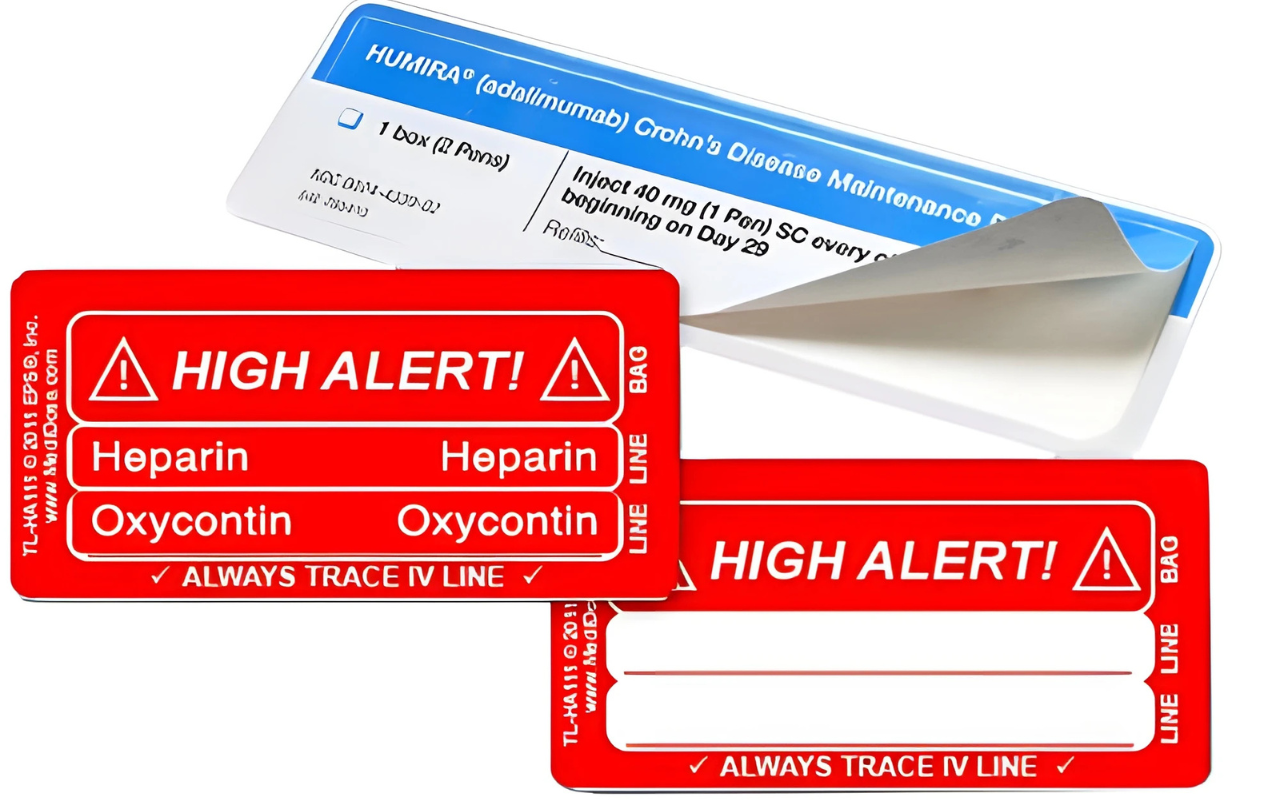
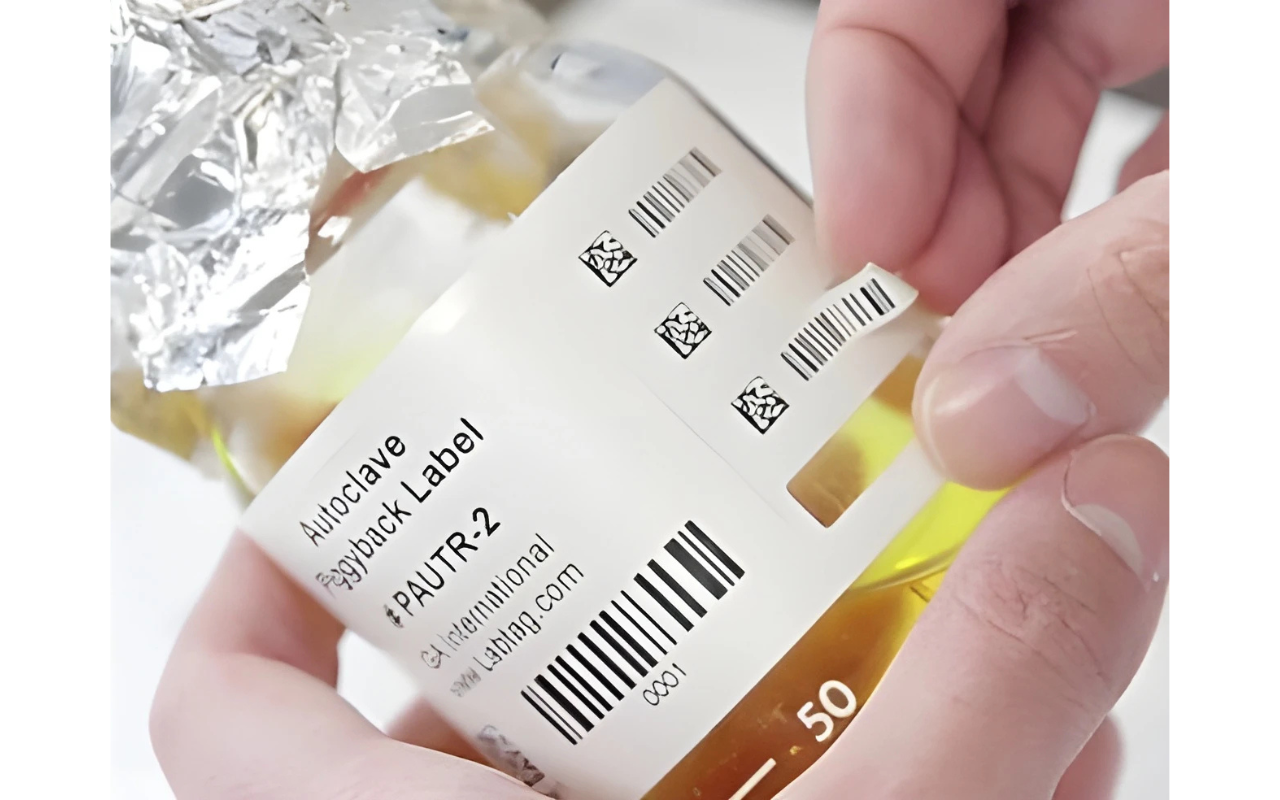
In healthcare environments, accurate documentation is critical. Piggyback labels are often used for patient records, laboratory samples, and medication tracking. The removable portion allows information to be added to charts or forms while the base label remains on the sample or container.
Warehousing and Logistics
Distribution centers and warehouses frequently use piggyback labels for inventory management and shipping documentation. The main label stays on the package while the removable label can be attached to paperwork or internal tracking systems.
Manufacturing
Manufacturers use piggyback labels to track products through production stages, quality control processes, and packaging operations. The detachable labels help maintain consistent records throughout the workflow.
Retail and Direct Mail
Retailers and marketing teams sometimes use piggyback labels for promotions, product identification, or returns processing. The removable label can be used for documentation or customer interactions while the primary label remains on the product.

Custom Piggyback Labels for Your Business
Piggyback labels can be customized to fit the needs of almost any operation. Businesses can choose from direct thermal or thermal transfer materials, custom sizes, die-cut shapes, and specialized slit designs that create multiple removable labels from a single base label.
Labels can also be produced as preprinted designs or blank labels that are printed on demand using thermal printers.
Whether you need 2,000 labels or more than 1,000,000, we can get the job done!
Contact us here or fill out the quick form below and one of our experts will help you get the right piggyback labels for your operation.