

How to Barcode Beauty and Skincare Products the Right Way
Barcoding beauty and skincare products is one of the most important steps a small brand can take when preparing for growth. Whether you are selling lotions on your own website, shipping lip balms to boutiques, or planning to enter retail stores, a reliable barcode system helps your products move smoothly through checkout, inventory systems, fulfillment workflows, and third-party logistics. Done correctly, barcoding makes your line look more professional and prevents the scanning errors that slow down retailers and frustrate customers.
This guide walks you through how to barcode beauty and skincare products the right way, from choosing the proper barcode type to designing labels that scan cleanly every time.
What Barcodes Are and How They Work
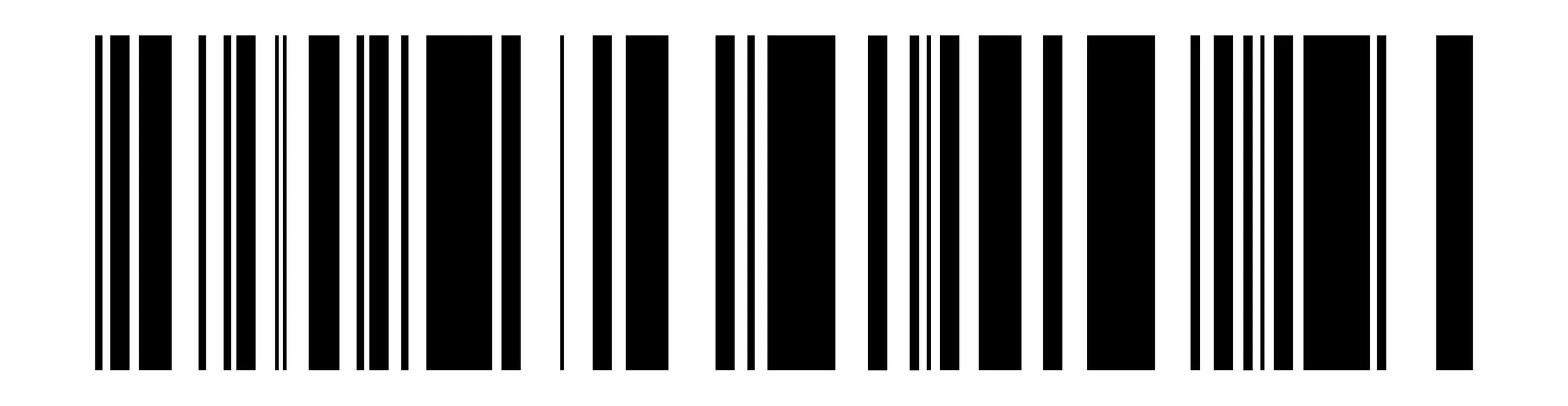
A barcode is a machine readable symbol that links your physical product to its digital identity. Each code represents a unique number that can be read by scanners in stores, warehouses, and shipping centers.
The most common identifiers for cosmetic and beauty products include:
UPC. Standard for retail stores in the United States.
EAN. Used across Europe and many international markets.
Code 128. Ideal for internal tracking or batch control but not retail checkout.
QR codes. Used for ingredient details, tutorials, or digital brand engagement.
All legitimate retail barcodes are based on a GS1 issued Global Trade Item Number. This is what ensures your product scans correctly everywhere it is sold.
Do You Need a Barcode? Requirements for Beauty and Skincare Brands

Not all selling environments require a barcode, but most growth focused brands eventually need them. You must have a valid barcode if you plan to sell through:
Large retailers like Target or CVS
Boutiques that use electronic point of sale systems
Fulfillment centers or 3PLs
Online marketplaces that require GTINs
You may not need a barcode if you only sell through:
Your own website
Craft fairs
Small local shops that do not use POS systems
If you plan to scale, start with proper barcodes early. It prevents relabeling later and aligns your packaging with retail expectations.
Choosing the Right Barcode Type for Your Cosmetic Products

Your product format and where you sell it determines which barcode type works best.
UPC is the default for most beauty and skincare brands entering US retail.
EAN is the international equivalent, ideal for brands selling in both US and European markets.
Code 128 is useful for internal warehouse tracking, batch codes, or sample management.
QR codes are ideal for limited space labels like serum droppers or lipstick tubes where customers may want ingredient lists or instructions.
Many brands use both UPC and QR codes on the same package to support retail and digital engagement.
Getting a Valid Barcode: GS1 and What to Avoid

To ensure your products scan correctly at checkout, you must source barcodes from a trusted and recognized authority. GS1 is the only organization that issues globally unique barcode numbers. Once you register, you will receive a company prefix that becomes the foundation for your product GTINs.
Avoid barcodes sold by third party websites that recycle numbers. These codes may not be accepted by major retailers and can cause conflicts with other brands.
Integrating Barcodes Into Your Beauty or Skincare Label Design
Your barcode should always be part of your printed product label, not applied later as a separate sticker. Integrated barcodes look cleaner, last longer, and avoid peeling or fading.
For beauty products, focus on:
High contrast colors such as black graphics on a white or light background
Adequate white space around the symbol
Materials that resist oils, moisture, and handling
Consistent placement across product lines
We can help recommend label stocks that perform well on products exposed to oils, serums, or water.
Correct Barcode Placement for Common Beauty Products

Placement affects scanning success. Here are recommended positions for popular product formats:
Lip balms and lip gloss tubes. Bottom or straight sided panel.
Serum bottles. Back label or outer carton.
Cream jars. Underside or back panel.
Lotion bottles. Back label or lower right corner.
Makeup compacts. Back panel or bottom label.
Outer boxes. Back or bottom with a flat surface.
Avoid curves that distort the bars. Flat surfaces scan best.
Barcode Size, Print Quality, and Scannability Standards
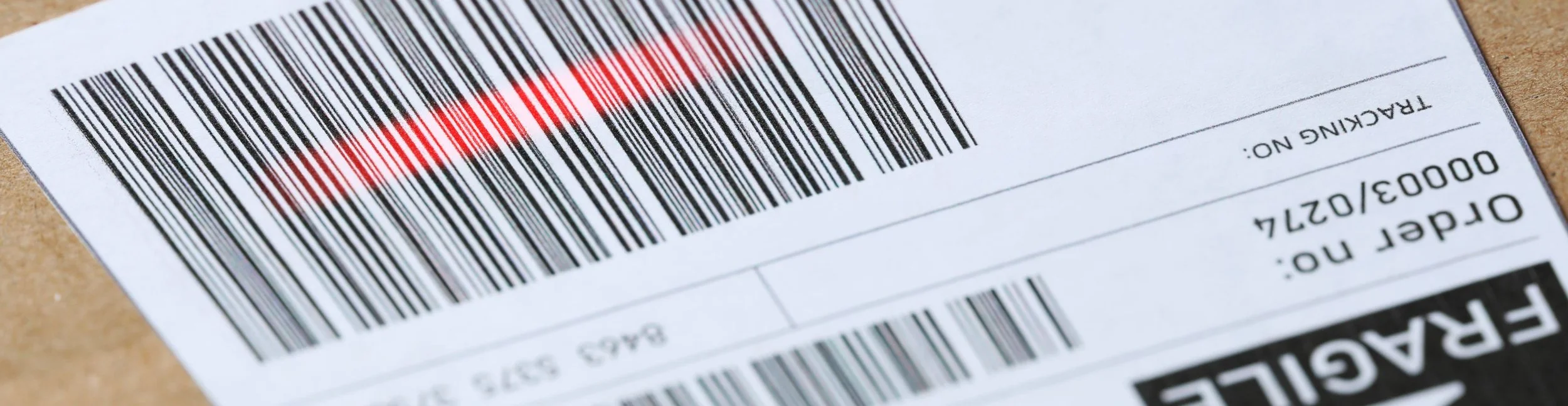
Barcodes that are too small, stretched, blurred, or low contrast may fail at the register.
Best practices:
Standard UPC size. About 1.46 inches wide by 1.02 inches tall.
Quiet zone. Leave clear space on both sides so scanners can read the start and stop patterns.
High resolution. At least 300 dpi for crisp edges.
No metallic or low contrast backgrounds.
Retailers will often reject mislabeled products, so accurate sizing and clean printing matter.
Testing Your Barcodes Before Printing
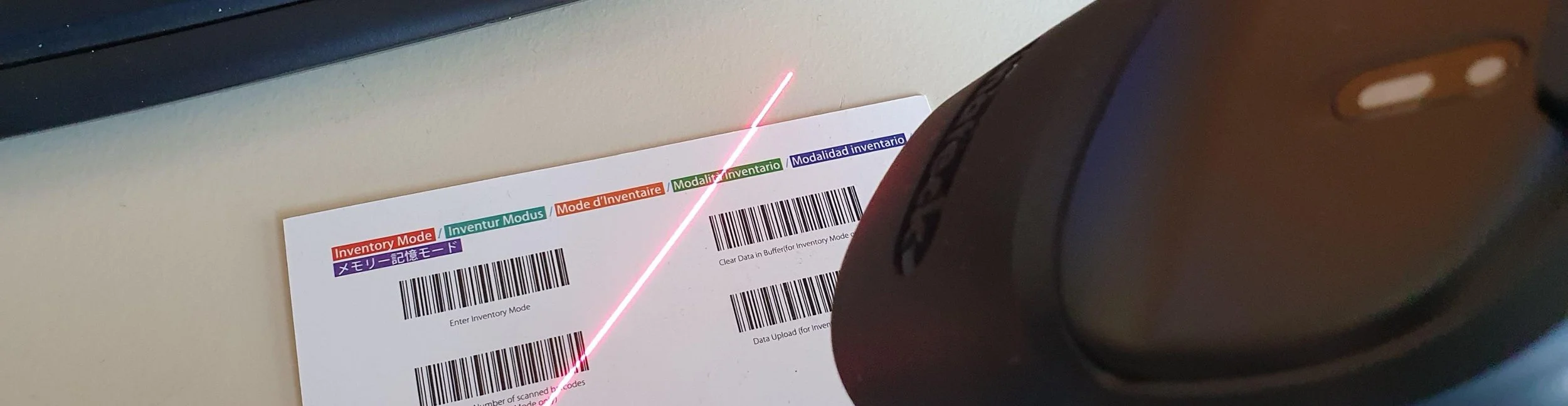
Always test your barcodes before sending a large order to print. Even minor errors can disrupt retail workflows.
Print a sample label with the exact size and finish.
Scan it with a retail grade barcode scanner or app.
Test from multiple angles and distances.
Confirm it scans instantly without hesitation.
If a barcode scans poorly, adjust artwork, contrast, or placement before producing a full run.
Common Mistakes to Avoid When Barcoding Beauty Products

Small brands often run into preventable issues such as:
Barcodes that are too small to scan reliably
Low contrast colors like gold on pink
Placing barcodes on curved containers
Using separate sticker barcodes that peel
Buying invalid numbers that cause retail rejection
Printing barcodes over glossy, reflective areas
Correcting these errors early saves time and avoids relabeling costs.

How can we help with your beauty and skincare products?
When you’re ready to create a clean, scannable barcode and label system for your beauty line, our team can help you choose the right materials, formats, and printing options. Fill out the quick form below to talk to an expert.