

How to Get Started with RFID in Your Warehouse or Business
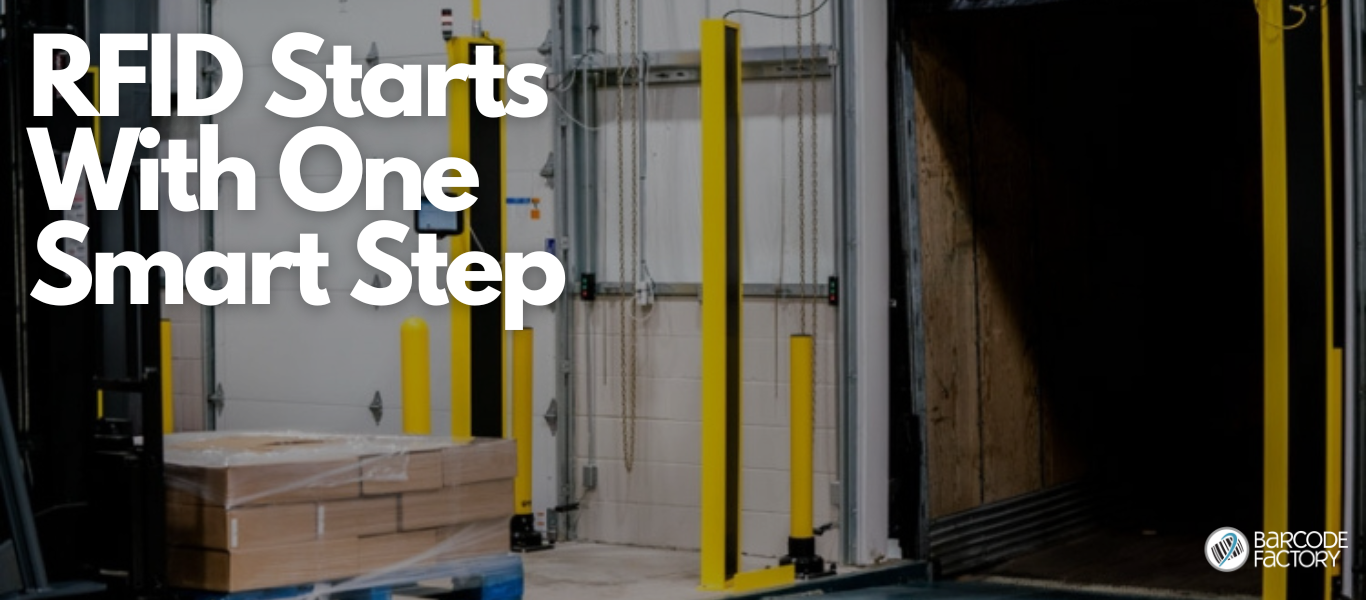
Getting started with RFID does not mean replacing every barcode or rebuilding your entire operation. The best RFID projects start with one clear problem, one controlled test, and one measurable result.
Pick one problem worth solving.
Choose one area to test.
Match the RFID equipment to the workflow.
Test it in the real environment.
Measure the result, then expand.
That is the real starting point. Not the technology first. The problem first.
RFID can help warehouses, manufacturers, distributors, retailers, healthcare facilities, and other businesses improve visibility, reduce manual work, and track inventory or assets more accurately. But it works best when it is tied to a specific goal.
Unsure where RFID fits into your operation? Barcode Factory’s RFID experts can help you find the right place to start.
Start With the Problem, Not the Technology
A lot of businesses start by asking, “What RFID reader should we buy?” or “What tags do we need?”
Those questions matter, but they come later.
The better first question is: What are we trying to fix?
Maybe inventory counts are taking too long. Maybe pallets are hard to track once they leave receiving. Maybe tools keep getting misplaced. Maybe high-value products move between departments without a clear record of where they are.
RFID works best when it is tied to one real workflow problem.
Example in action:
A distributor is struggling with pallet visibility between receiving, storage, and shipping. Instead of adding RFID everywhere, they start with one goal: track pallet movement through key warehouse areas with less manual scanning.
Decide What Success Looks Like
Before choosing RFID tags, readers, printers, or software, define what “better” actually means.
“Better tracking” is too vague.
A stronger goal might be cutting cycle count time, reducing time spent searching for pallets, improving inventory accuracy in one zone, or confirming pallet movement through receiving and shipping with less manual scanning.
This gives you something to measure and keeps the RFID project focused.
RFID is not valuable just because it is advanced. It is valuable when it makes something faster, easier, more accurate, or more reliable.
Example in action:
For the distributor, success means pallets are verified as they pass through a dock door without someone manually scanning every label.
Start Small With One RFID Use Case
One of the easiest ways to make RFID harder than it needs to be is trying to do too much at once.
You do not need to tag every product, shelf, pallet, tool, cart, and doorway on day one.
Start with one contained use case, like one receiving dock, one shipping door, one tool room, one high-volume picking zone, one product category, or one group of high-value assets.
A small pilot gives you proof before a larger rollout. It also helps you see what works, what needs adjusted, and what your team will actually use.
Example in action:
The distributor starts with one busy dock area. They tag one group of pallets and test RFID read points at the dock door before expanding to the rest of the warehouse.
Choose the Right RFID Equipment
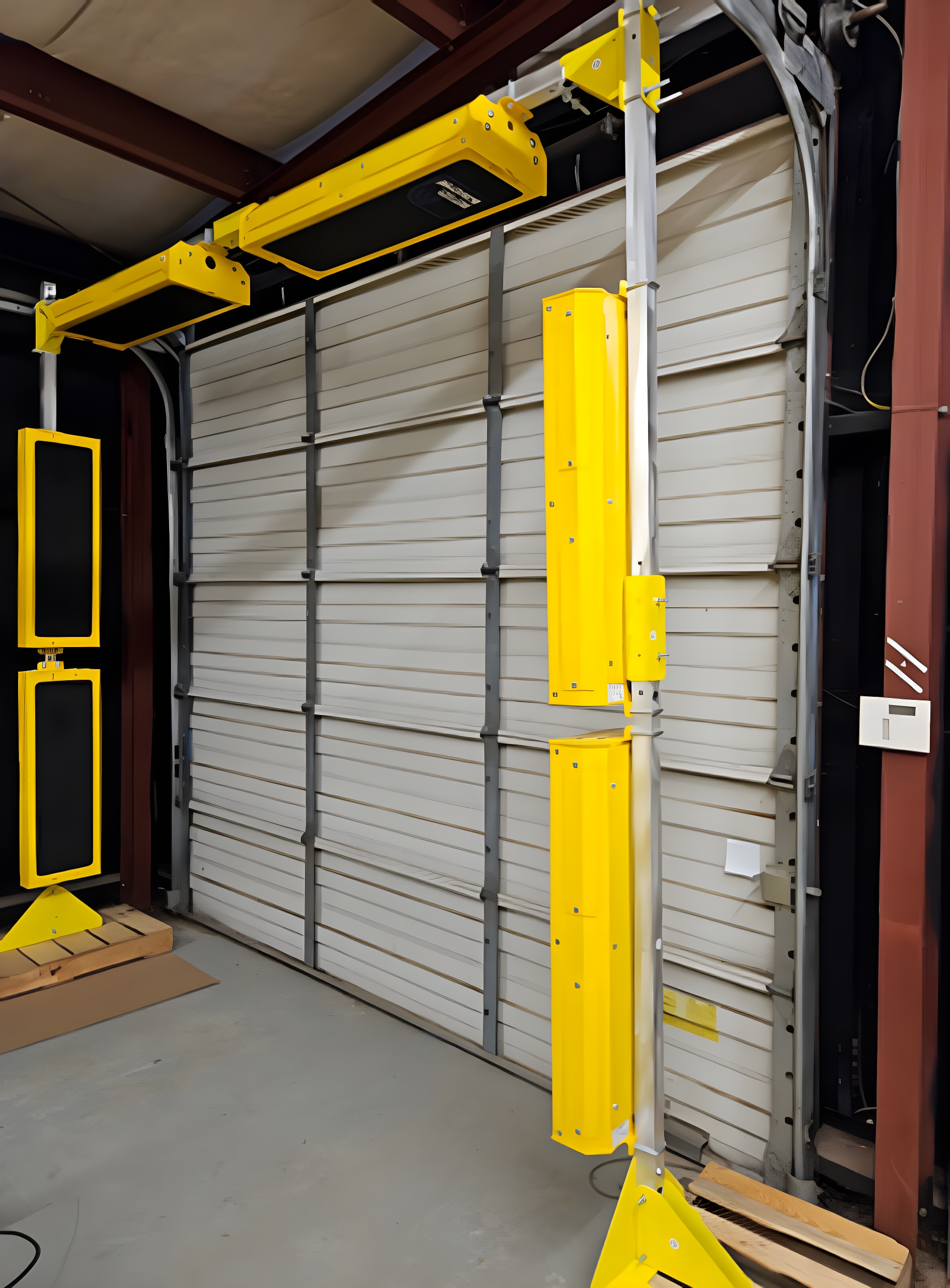
The RFMAX Adjustable Pole Stand provides a flexible, industrial-grade mounting solution for RFID equipment.
This is where RFID gets more specific.
A basic RFID setup may include RFID tags or labels, an RFID printer, handheld RFID readers, fixed RFID readers, antennas, and software that connects the data to your inventory or business system.
For a warehouse, that might mean RFID labels on pallets, an RFID printer to print and encode those labels, handheld RFID readers for spot checks, and fixed readers with antennas near dock doors, conveyors, portals, or other chokepoints.
Tag choice matters too. The right RFID tag depends on the item, material, environment, read range, and industry. A tag used on a cardboard case may not be right for metal equipment, liquids, outdoor assets, or retail compliance.
Example in action:
The distributor may use RFID pallet labels, an RFID printer, a handheld reader like the Zebra MC3300xR for testing and spot checks, and a fixed reader like the Zebra FX9600 near the dock door.
Test RFID in the Real Environment
RFID is powerful, but it is not magic.
The real environment matters. Metal, liquids, moisture, heat, cold, stacking, tag placement, reader distance, antenna angle, and product movement can all affect performance.
That is why testing is not optional.
Before expanding, test the setup where it will actually be used. Do the tags read consistently? Are there blind spots? Is the read range too short or too wide? Is the data going where it needs to go?
Skipping this step is where RFID projects get frustrating.
Example in action:
The distributor tests pallet tags moving through the dock door at normal speed. They adjust reader and antenna placement, using equipment like an Impinj Speedway Revolution Antenna where strong read performance is needed.
Measure the Results
Once the test is running, do not just ask, “Did the RFID equipment work?”
Ask, “Did it solve the problem?”
If the goal was faster inventory counts, measure time saved. If the goal was better pallet tracking, measure whether the team can confirm movement more accurately. If the goal was fewer missing assets, measure whether items are easier to locate.
This is what turns RFID from an idea into a business case.
Example in action:
The distributor compares the before and after. Are pallets being verified faster? Are fewer manual scans needed? Is shipping more accurate? If yes, the pilot has value.
Expand After the First Use Case Works
Once one RFID use case proves itself, expansion becomes much easier.
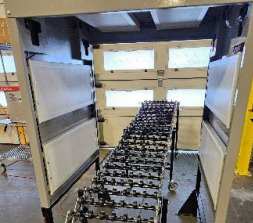
This conveyor portal is for operations where tagged items move through checkpoints.
Now you know which tags worked, where readers performed best, how the team used the system, and what kind of result RFID created. From there, you can expand into other warehouse zones, more dock doors, additional product categories, asset tracking, tool tracking, or other facilities.
The best RFID rollout is usually not a giant leap. It is a smart first step followed by practical expansion.
Example in action:
After the distributor proves RFID works at one dock area, they add read points to more doors, expand tagging to more pallet types, or use handheld RFID readers for faster cycle counts.
RFID FAQ
-
The best way to get started with RFID is to choose one specific problem, such as slow inventory counts, misplaced assets, or poor product visibility. Then test RFID in one controlled area before expanding it across the operation.
-
Not always. RFID and barcodes often work together. Barcodes are simple and cost-effective for many tasks, while RFID is useful when items need to be scanned faster, in bulk, or without direct line-of-sight.
-
Warehouses, manufacturers, distributors, retailers, healthcare facilities, logistics operations, and businesses tracking high-value assets, tools, equipment, inventory, pallets, or cases can benefit from RFID.
-
Start with items that are hard to count, easy to lose, high value, frequently moved, or causing delays. Good examples include tools, returnable containers, pallets, high-volume inventory, work-in-process materials, and high-value assets.
-
-
The right RFID tag depends on the item, material, environment, read range, and tracking goal. Metal, liquids, outdoor conditions, heat, cold, and retail compliance requirements can all affect tag choice. For more help, read our blog on How to Choose the Right RFID Tags for Your Industry.
-
ARC approved RFID tags are RFID tags or labels that meet performance standards used by certain retailers and supply chain programs. They are often needed for retail compliance, item-level tagging, and supplier labeling requirements. If you need ARC approved RFID tags, Barcode Factory can help you find the right option.
-
Yes. RFID can work well in warehouses, especially for inventory counts, pallet tracking, case tracking, asset tracking, receiving, shipping, and high-volume movement. The setup needs to be tested based on the warehouse environment and workflow.
-
RFID can be used for more than warehouse inventory. It can support manufacturing, healthcare, retail, event management and ticketing, asset tracking, tool tracking, wildlife conservation, logistics, returnable containers, and more. For related examples, read our blogs on Using RFID for Better Event Management and Ticketing and The Role of RFID in Tracking Wildlife for Conservation Efforts and How Airlines Use RFID to Track Baggage and Ground Equipment.

Barcode Factory Can Help
The right RFID system depends on your products, workflow, environment, software, volume, and tracking goals.
Barcode Factory can help businesses choose RFID tags, RFID labels, RFID printers, fixed readers, handheld readers, antennas, barcode scanners, mobile computers, and RFID software solutions that fit the way the operation actually works.
Not sure where to start? Contact Barcode Factory’s USA-based RFID experts and we can help you find the right starting point for your warehouse or business.
Fill out the form below or contact us to talk to an expert!