

How to Keep Your Warehouse Up to Date with Automation, RFID, and AI
The easiest way to modernize a warehouse is to start where work is still slow, manual, or hard to track. That usually means improving how inventory is scanned, labeled, moved, and updated in your systems.
Automation, RFID, and AI are useful when they solve a real problem. Better tracking at dock doors. Faster inventory counts. Cleaner product data. Real-time visibility. Fewer manual steps.
Below, we’ll break down how to keep your warehouse up to date without turning it into a massive technology overhaul.
Start With the Problems Slowing Your Warehouse Down
Before you look at robots, RFID portals, AI tools, or new software, look at what is already slowing the warehouse down.
Most warehouses do not need “more technology” just for the sake of it. They need better answers to everyday problems:
Why do inventory counts take so long?
Why are pallets, tools, or assets hard to find?
Why does receiving still rely on too much manual entry?
Why are pickers walking farther than they need to?
Why does shipping catch mistakes too late?
Why do managers not have real-time visibility into what is happening?
That is where modernization should start.
If a workflow is slow, repetitive, error-prone, or hard to track, there is probably a better way to handle it. The goal is not to make the warehouse look futuristic. The goal is to make it easier to run.
How to Keep Your Warehouse Up to Date
The warehouses that stay competitive are usually not the ones chasing every new trend. They are the ones improving the right parts of the operation in the right order.
Here are four practical places to start…
1. Improve the Data You Capture First
Automation and AI are only as useful as the data behind them.
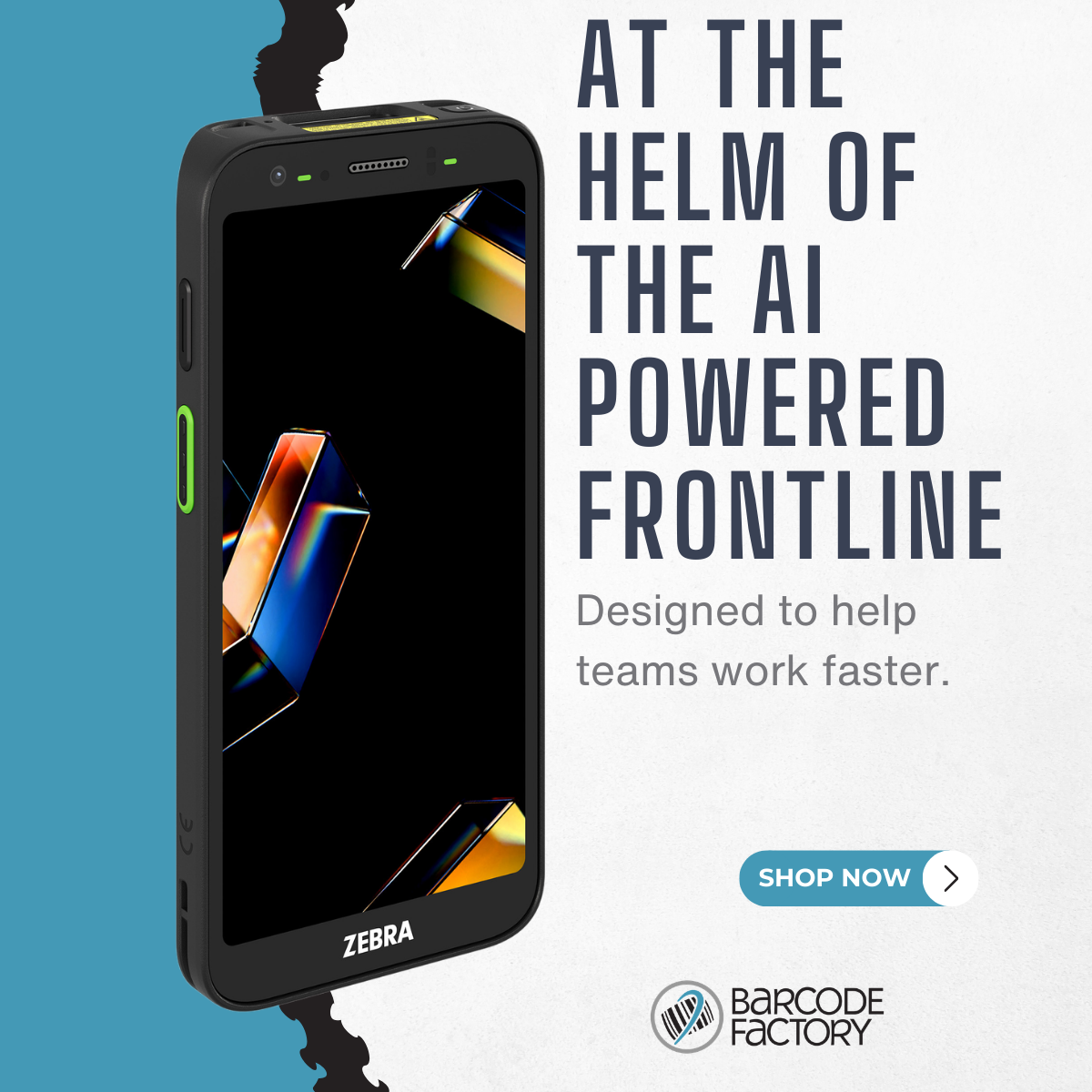
If products are labeled poorly, scans are missed, inventory records are outdated, or workers are typing information by hand, your systems are already working with bad information.
That is why barcode scanners, mobile computers, label printers, and durable warehouse labels still matter. They help teams capture accurate data at receiving, putaway, picking, packing, shipping, inventory counts, and asset movement.
Before a warehouse can become “smarter,” it needs to know what is actually happening on the floor.
That starts with better scanning, better labeling, and cleaner product data.
2. Use RFID Where Manual Scanning Slows You Down
Barcodes are still one of the best tools in the warehouse, but there are times when manual scanning becomes the bottleneck.
That is where RFID can help.
RFID allows tagged items to be read without scanning each label one at a time. This can be useful for pallet tracking, case tracking, tool rooms, returnable containers, high-value inventory, work-in-process tracking, and other areas where products or assets move quickly.
For example, instead of requiring a worker to scan every pallet manually, RFID can help capture movement as tagged items pass through a key area.
This does not mean RFID needs to replace barcodes everywhere. In many warehouses, the right answer is both. Barcodes handle simple, direct scans. RFID helps when speed, volume, movement, or visibility becomes harder to manage manually.
3. Add Automation at the Chokepoints
Some of the best warehouse automation happens where products already move.
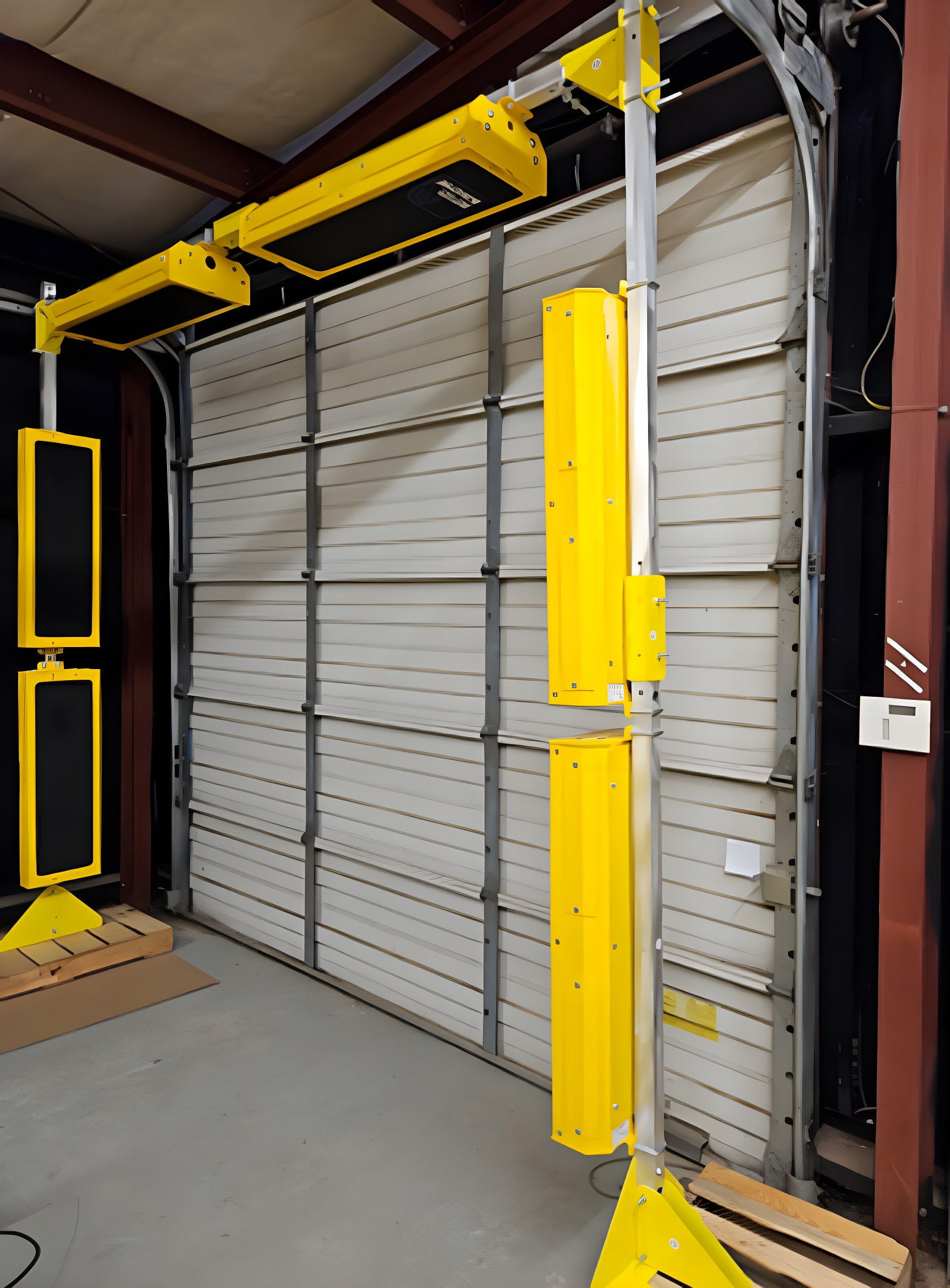
Think dock doors, conveyor lanes, storage rooms, tool rooms, production areas, and shipping zones. These are natural chokepoints where data can be captured automatically without adding more work for the team.
A transition RFID portal is a good example. It can automatically read tagged items as they pass through a defined point in the facility, such as a dock door for receiving and shipping or a secure room where tools and assets need to be tracked.
Depending on the workflow, that could include wall-mount portals, fixed RFID tunnels, integrated RFID tables, scan chambers, industrial antennas, or adjustable mounting setups. The point is not the hardware itself. The point is what it removes from the process.
Less manual scanning.
Better movement data.
That is what useful warehouse automation looks like.
4. Make the Data Useful with Software and Real-Time Visibility
Capturing data is only half the job. The data also needs to go somewhere useful.
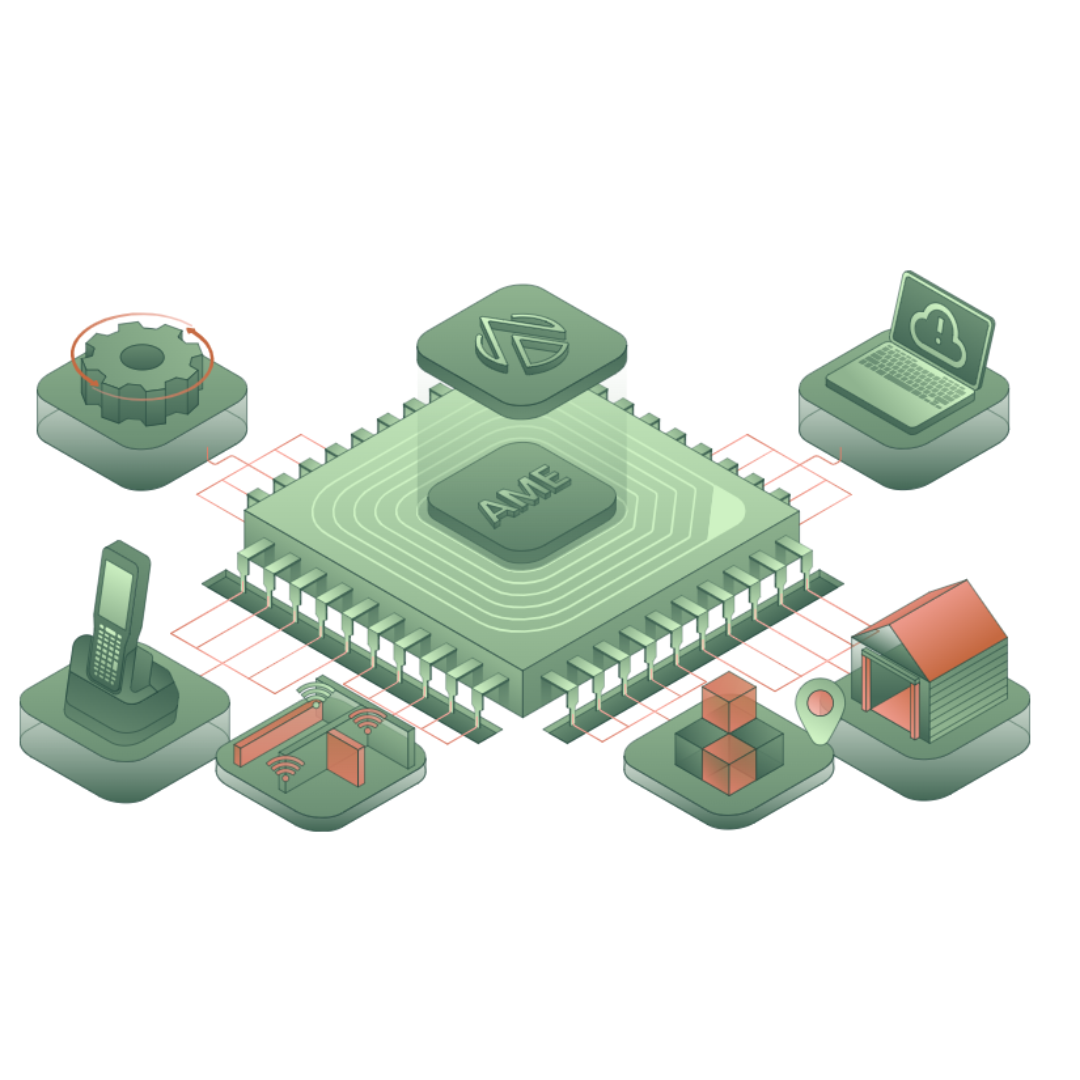
If barcode scans, RFID reads, and asset movements are collected but never turned into clear information, the warehouse still has a visibility problem.
This is where software platforms and integrations matter.
A platform like Avancir can connect RFID, barcodes, and other auto-ID technologies so teams can track assets, inventory, and work-in-progress in real time. Instead of relying on disconnected updates or manual checks, warehouse teams can use dashboards, alerts, workflows, and integrations to see what is moving and act faster.
For a warehouse, that might mean:
Inventory updates as products move
Assets are tracked by location
Work-in-progress is easier to monitor
Teams receive alerts when something changes
RFID and barcode data connects to an ERP, CRM, or other business system
This is also where AI becomes more practical. AI is not magic. It needs accurate data to work with. Once a warehouse has better data capture and better visibility, AI can become more useful for things like demand forecasting, workflow planning, inventory analysis, and spotting patterns that would be hard to see manually.
Build in Phases, Not All at Once
You do not need to modernize the entire warehouse at once. Start with one slow workflow, one high-traffic area, one dock door, one product category, or one visibility problem. Improve that first, measure the result, then expand where it makes sense.
FAQ
-
Start by improving the workflows that slow your team down most. That may include better barcode scanning, mobile computers, label printing, RFID tracking, automation at chokepoints, or software that gives your team real-time visibility.
-
Warehouse automation uses technology to reduce manual work, improve accuracy, and speed up operations. This can include barcode scanning, RFID portals, conveyor systems, mobile computers, automated data capture, warehouse software, robotics, and AI-supported tools.
-
RFID can help warehouses track items faster and with less manual scanning. It is useful for pallet tracking, case tracking, asset tracking, tool rooms, work-in-process tracking, returnable containers, and high-volume inventory movement.
-
An RFID portal is a fixed RFID setup that reads tagged items as they pass through a specific point, such as a dock door, conveyor lane, storage room, or warehouse entrance. RFID portals can help automate movement tracking and reduce manual scanning.
-
AI can help with forecasting, workflow analysis, inventory planning, and identifying patterns in warehouse data. However, AI works best when the warehouse already has accurate data from barcode systems, RFID, mobile computers, labeling systems, and connected software.
-
Yes, in many cases. Barcodes and RFID often work together. Barcodes are simple, reliable, and cost-effective for direct scans. RFID is useful when items need to be tracked faster, in bulk, or without direct line-of-sight.
-
Common warehouse modernization tools include barcode scanners, mobile computers, label printers, durable labels, RFID tags, RFID readers, antennas, RFID portals, inventory software, warehouse management systems, and integration tools.

Where Barcode Factory Can Help
The right warehouse technology depends on your products, workflow, environment, software, volume, and goals.
We can help with barcode scanners, mobile computers, label printers, warehouse labels, RFID tags and labels, RFID portals, fixed readers, handheld readers, antennas, software, integrations, and expert guidance.
Not sure where to start? Contact our USA-based team and we can help you find the right solution for your warehouse.
Fill out the form below or contact us to talk to an expert!