

ARC Approved RFID Tags and Labels Explained

If you’re working with RFID, you’ve probably seen “ARC approved” come up more than once.
At a high level, ARC approved RFID tags and labels are tested and verified to perform in real-world conditions. Not just in theory, but in the exact environments they’re meant to be used in.
ARC stands for certification from the Auburn University RFID Lab, which has become the industry standard for RFID performance testing.
Here’s how it works:
Companies define how they plan to use RFID. That includes what they’re tagging, the environment it’ll be used in, and what kind of read performance they need. The lab then tests different RFID inlays under those same conditions. Only the ones that consistently perform get approved.
Each approved inlay is assigned an ARC Spec, which ties it to a specific use case. There isn’t one universal RFID tag that works for everything. There are tags that work well for specific applications.
So basically, ARC is making sure you’re not guessing. You’re using a tag that’s already been proven to work for what you’re doing.
That’s the part a lot of people miss. And it’s also why ARC certification matters more than it seems.
Why ARC Approved RFID Tags Don’t Always Work the Same
A lot of RFID issues don’t come from the system. They come from the tag.
You can have the right readers, solid setup, everything installed correctly… and still get poor read rates. That’s usually because the tag wasn’t designed for what you’re putting it on.
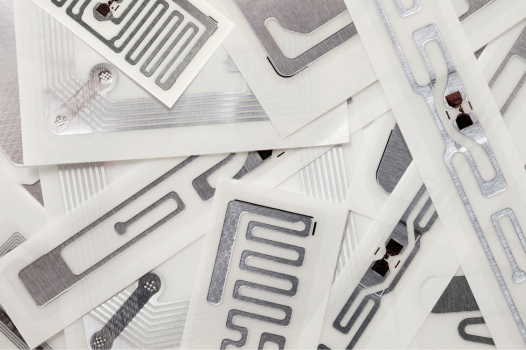
Different materials and environments change everything:
Liquids can block signals
Metals can interfere
Packaging affects readability
Tag placement plays a bigger role than most expect
So when read rates drop or scans get missed, it’s rarely random. It’s a mismatch between the tag and the application.
ARC Specs Explained (How to Choose the Right RFID Tag)
This is where ARC becomes really useful.
Each ARC Spec is built around a specific type of product and use case. That’s what helps match the right tag to the right application.
Here are some of the more common ones:
R → Apparel and footwear
F → General retail items
H → High-density apparel (items packed tightly together)
S → Healthcare and pharmaceuticals
T → Automotive, including tires
Y2 → Electronics and toys
You don’t need to memorize these, but you do need to use the right one.
Using the wrong spec is one of the fastest ways to end up with poor read rates, missed scans, and a system that doesn’t perform the way it should.
Why ARC Certified RFID Tags Matter for Real Operations
If you’re working with retailers like Walmart or Target, ARC-certified tags are often required. If your tags don’t meet the spec or don’t perform, you can run into compliance issues, chargebacks, or strained relationships.
But even outside of retail mandates, the impact is the same.

ARC-certified tags help:
Improve read accuracy
Reduce missed scans
Keep inventory data clean
Support scaling without performance drop-offs
RFID might work fine in a small test environment. The problems usually show up when you scale. That’s where using the right, tested tag makes a difference.
And this applies across more than just retail:
Warehousing and logistics
Manufacturing and work-in-progress tracking
Healthcare and medical inventory
Asset tracking across multiple locations
If the goal is accuracy and consistency, the tag matters more than most people expect.
How to Choose ARC Approved RFID Tags and Labels
This is where most teams run into issues. Not because RFID is complicated, but because assumptions get made early.
Getting it right comes down to a few things:
Know what you’re tagging and what it’s made of.
Understand where and how it’s being used.
Confirm the correct ARC Spec for that application.
And make sure the tags you’re using are actually certified for it.
The easiest way to get it right?
Talk to our ARC Approved RFID Tags and Labels experts today and they will ensure you get the right RFID equipment for the right job!
Or fill out the quick form below and one of our experts will get in touch with you: