

How Barcode Labeling Is Evolving in 2026 Across Industries
In 2026, barcode labeling is no longer a background process. It sits at the intersection of operations, compliance, traceability, and customer experience. As supply chains grow more complex and expectations continue to rise, labeling systems are being pushed to do more than simply identify products.
Across industries, organizations are encountering the same reality. Fewer manual steps. Less tolerance for error. More data tied to every item that moves. Labeling is no longer just about printing. It is about how information flows through the business.
Here’s how that shift is showing up in real-world environments this year…
Labeling shows up everywhere once you start paying attention
What this looks like in day-to-day operations
In 2026, labeling problems rarely announce themselves directly. They show up as delays, rework, and small inefficiencies that add up over time.
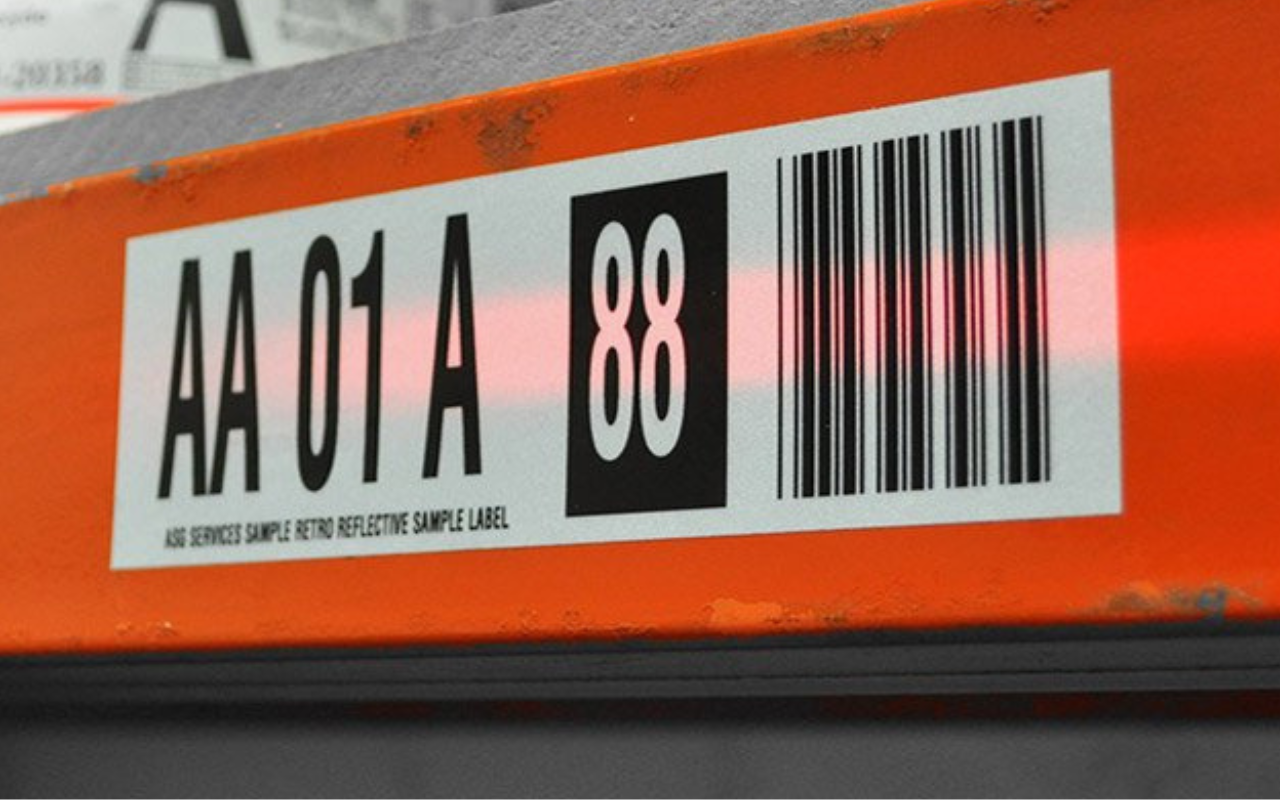
A production line pauses because a label does not match the work order. A shipment is held because information on the label is outdated. A warehouse team works around a printer that “usually works” but never quite the same way twice.
Common signs labeling has become an operational issue
Errors increase during shift changes
Teams rely on workarounds to keep things moving
Different locations handle the same product differently
When labeling is treated as part of the operation instead of a final step, those problems start to disappear. Data stays consistent, processes stay predictable, and teams spend less time fixing avoidable mistakes.
Next steps to consider
Shift label printing so it is triggered by system events (work orders, picks, shipments) instead of operator selection
Designate a single system (ERP, WMS, or MES) as the authoritative source for label data
Consolidate label variations into standardized templates that adapt based on data, not manual edits
Eliminate local label copies that allow outdated or incorrect information to be printed
RFID is useful when the friction becomes obvious
When RFID starts to make sense
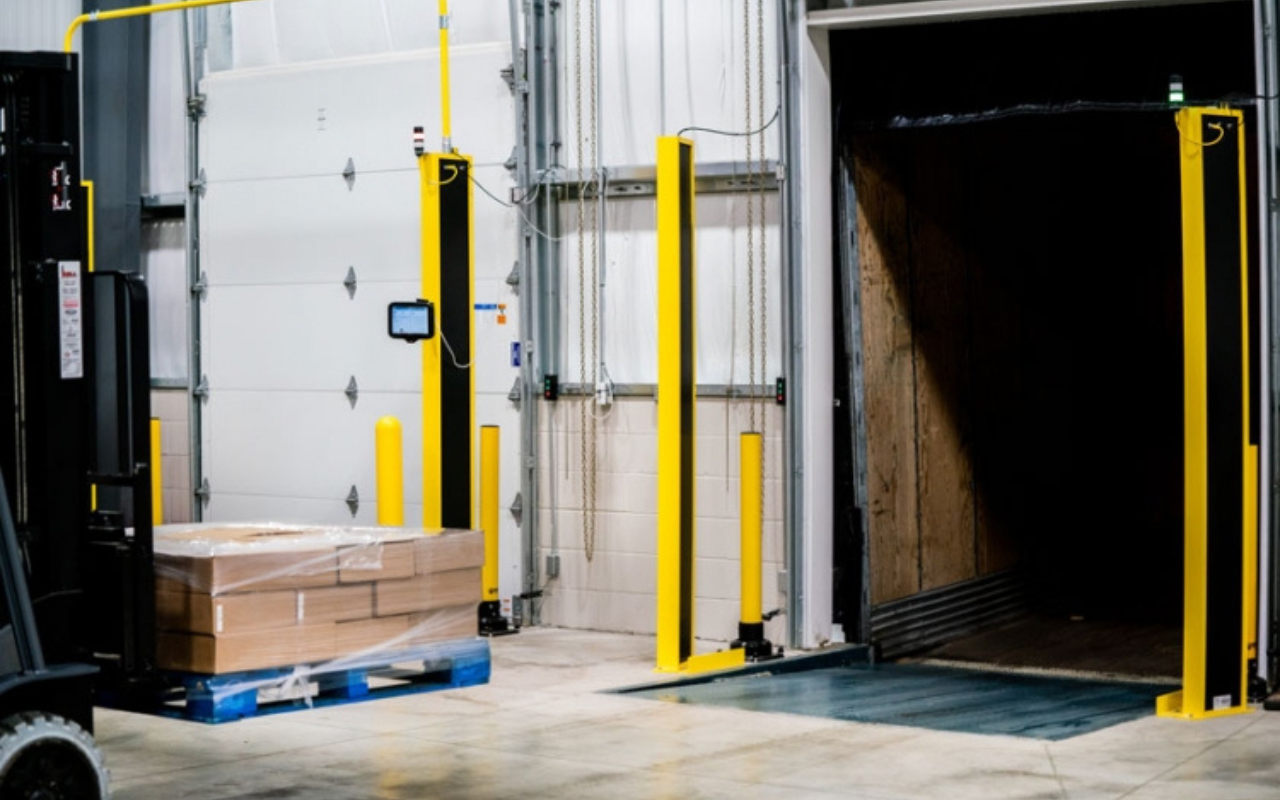
RFID is no longer something teams are experimenting with just to see if it works. In 2026, organizations turn to RFID when traditional scanning starts slowing them down.
RFID tends to make sense if:
Inventory counts take too long
Item-level visibility is difficult to maintain
Products are high-value, regulated, or frequently misplaced
It tends to be unnecessary if:
Volumes are low
Manual scanning already works well
Visibility requirements are minimal
Most organizations fall somewhere in between. That’s why RFID is often added alongside barcodes, not instead of them. A hybrid approach allows teams to gain speed and visibility where it matters, without disrupting workflows that already work.
Next steps to consider
Select a specific workflow where scanning speed or visibility is currently limiting performance
Decide upfront whether tracking is needed at the item, case, or pallet level
Introduce RFID alongside existing barcodes to avoid disrupting current operations
Validate read accuracy and data capture before expanding RFID to additional products or locations
2D barcodes are becoming normal before they become mandatory
Why 2D adoption is accelerating now
Two-dimensional barcodes are no longer new in 2026. QR codes and Data Matrix symbols are already common on packaging, labels, and documentation across industries.

What’s pushing adoption further is what’s coming next. By 2027, GS1 plans to move away from traditional 1D UPC and EAN barcodes toward the 2D GS1 Digital Link standard. These 2D barcodes embed a web link that can connect physical products to online information such as GTINs, expiration dates, lot or batch numbers, and warranty details.
That future milestone is not creating panic, but it is shaping decisions now. Many organizations are adopting 2D barcodes in 2026 simply because the transition is easier when it happens gradually.
What actually changes and what stays the same
The data does not change
The barcode format changes
Existing processes stay intact
The biggest requirement is ensuring printers and scanners can support 2D symbologies reliably.
Next steps to consider
Upgrade or replace scanners that cannot reliably read QR codes or Data Matrix barcodes
Define which data elements should be encoded in 2D barcodes (lot, expiration, serial, or web link)
Introduce 2D barcodes on a limited product set while maintaining existing 1D barcodes
Test scan performance at every point where the label is used, not just at print
Most labeling failures start with hardware and materials
Where things quietly break down
When labels fail in the real world, the root cause is often not software. It is physical.
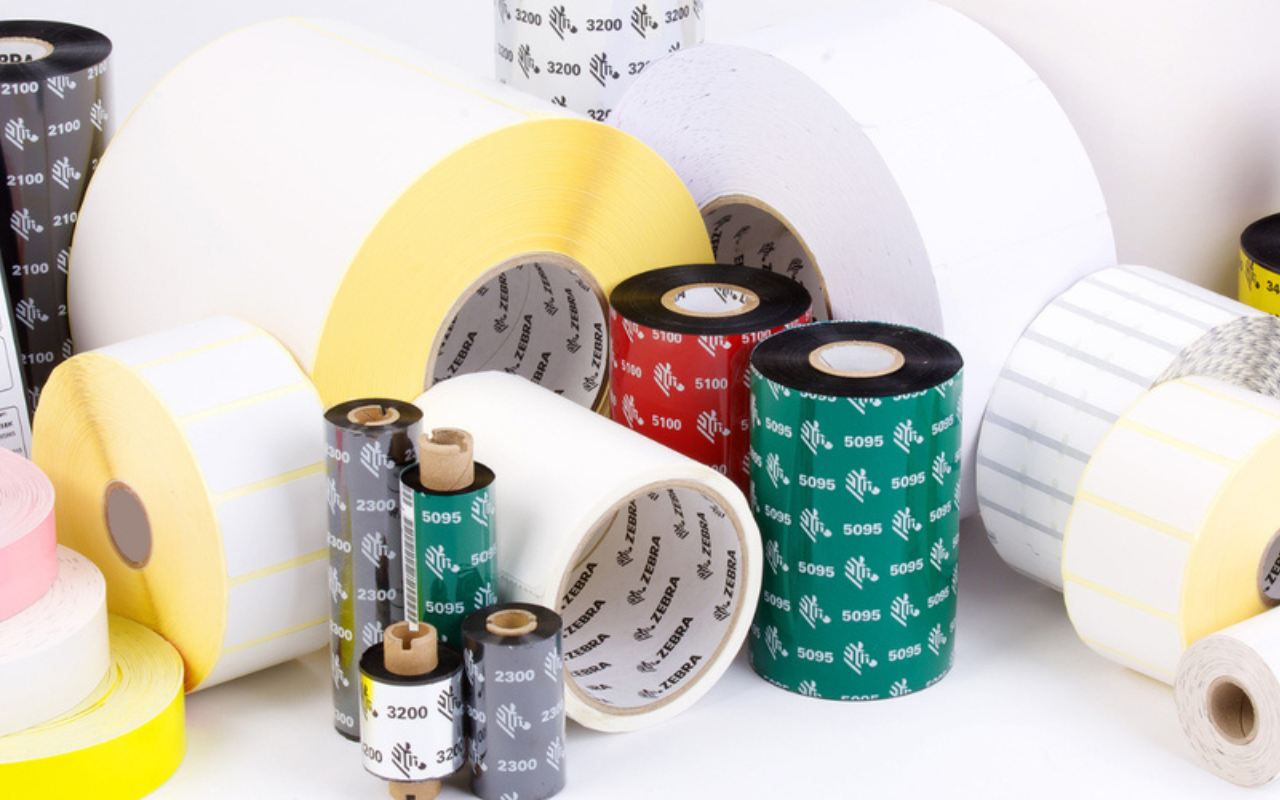
Common issues include:
Labels that peel, smear, or fade in harsh environments
Barcodes that scan in one location but not another
Printers wearing down faster than expected due to mismatched ribbons or media
As labeling systems become more automated in 2026, these issues become harder to ignore. A single unreadable label can disrupt downstream scanning, delay shipments, or trigger manual intervention.
Organizations are responding by paying closer attention to how printers, scanners, labels, ribbons, and RFID media work together. Matching materials to the environment reduces downtime and makes labeling more predictable over time.
Next steps to consider
Identify environments where labels are exposed to heat, cold, moisture, abrasion, or chemicals
Select label materials and ribbons specifically rated for those conditions
Reduce the number of printer models in use to simplify maintenance and replacement
Track reprints, scan failures, and printer downtime to uncover hardware-driven issues
What about your industry?
Labeling requirements vary by industry, but the need for reliable, scalable systems is universal. Explore how labeling solutions are applied in your industry below:

The bigger picture in 2026
This year, barcode labeling has clearly crossed a line. It is no longer a supporting task. It is a system that affects accuracy, speed, compliance, and customer trust.
Organizations that periodically evaluate how labeling fits into their operations are better positioned to reduce errors, scale efficiently, and adapt to what comes next. As expectations continue to rise, flexible and well-designed labeling environments are becoming a quiet competitive advantage.
If you’re taking a closer look at your labeling environment in 2026, filling out the form below is a simple way to start the conversation and identify opportunities for improvement.