

When You Should Not Buy a 600 DPI Industrial Printer
In the world of industrial label printing, “higher DPI” is often assumed to mean “better.” And while 600 DPI printers absolutely have their place, they are frequently oversold, misunderstood, and misapplied.
In reality, a 600 DPI industrial printer is a specialized tool. Buying one without a clear reason can lead to higher costs, slower print speeds, unnecessary complexity, and zero improvement in scan performance or label quality.
This guide breaks down when you should not buy a 600 DPI industrial printer, when you actually should, and what you should consider instead.
But first…
What 600 DPI Really Means
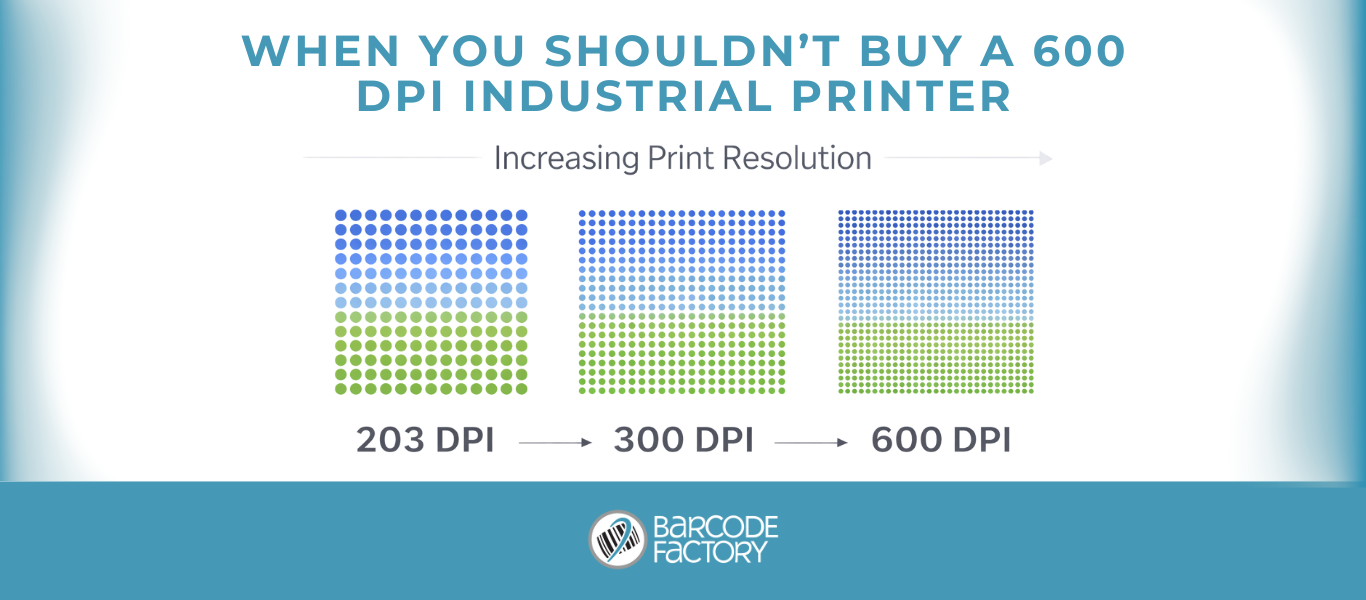
DPI (dots per inch) refers to print resolution. A 600 DPI printer places twice as many dots per inch as a 300 DPI printer, and four times as many as a 203 DPI printer.
That extra resolution:
Helps with very small text
Improves fine line clarity
Sharpens dense or complex barcodes
Supports highly detailed graphics
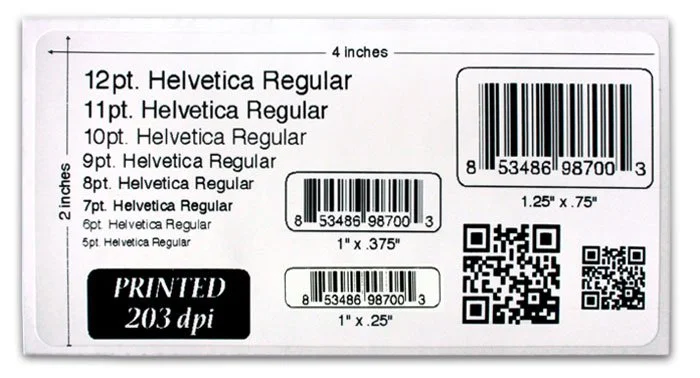
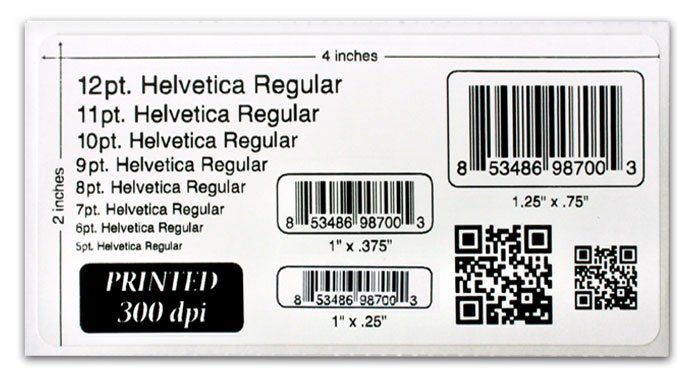
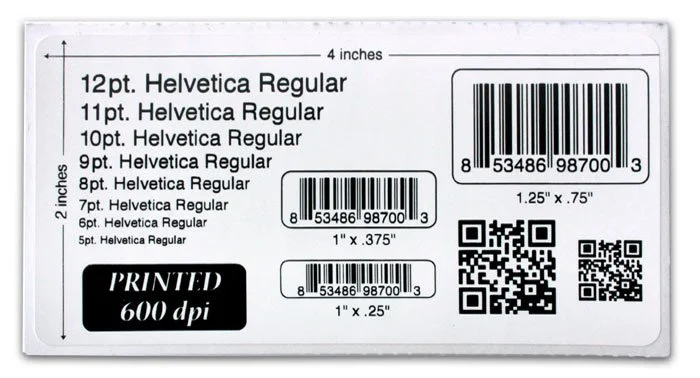
Scenarios Where You Should NOT Buy a 600 DPI Printer
If any of the following describe your operation, a 600 DPI printer is likely unnecessary or even counterproductive:
Printing shipping labels, carton labels, or pallet labels
Printing 4x6 or larger labels
Printing standard 1D or 2D barcodes at normal sizes
Operating in warehousing, distribution, or logistics
Printing product labels without micro-text
Printing labels that are viewed from arm’s length or farther
Running high-volume or high-speed print jobs
Replacing an older 203 or 300 DPI printer that worked fine
Trying to “future-proof” without a real use case
Buying based on “higher number = better”
In these scenarios, the extra resolution simply isn’t being used.
Why a 600 DPI Printer Is Often the Wrong Choice
1. Higher Cost With No Functional Gain
600 DPI printers cost more upfront, and replacement printheads are significantly more expensive. If the application doesn’t demand that resolution, the ROI simply isn’t there.
2. Slower Print Speeds
Higher resolution means more dots to fire. Many 600 DPI printers run at slower maximum speeds, which can bottleneck production lines or fulfillment operations.
3. Tighter Tolerances and Setup Sensitivity
600 DPI printing requires:
Better label materials
Cleaner environments
More precise calibration
More frequent maintenance
Dust, ribbon wrinkles, or minor alignment issues that wouldn’t matter at 300 DPI can cause visible defects at 600 DPI.
4. No Barcode Scan Advantage in Most Use Cases
Barcodes do not become “more scannable” just because they’re printed at higher resolution. In fact, oversized resolution can sometimes reduce contrast or cause edge definition issues if media and ribbon aren’t perfectly matched.
5. Overkill for Industrial Environments
Most industrial labeling is about:
Durability
Consistency
Throughput
Reliability
Resolution beyond 300 DPI rarely improves any of those.
Industries That Usually Do NOT Need 600 DPI
These industries almost always perform better with 203 or 300 DPI printers:
Warehousing and distribution
Third-party logistics (3PL)
Manufacturing and work-in-process labeling
Shipping and fulfillment centers
Food and beverage logistics
Retail back-of-house operations
Asset tracking and inventory labeling
Compliance labeling where text is readable but not microscopic
In these environments, clarity at normal viewing distance matters far more than microscopic sharpness.
What You Should Buy Instead (In Most Cases)
For the vast majority of industrial label applications, these options deliver better results, better reliability, and better value.
203 DPI Industrial Printers
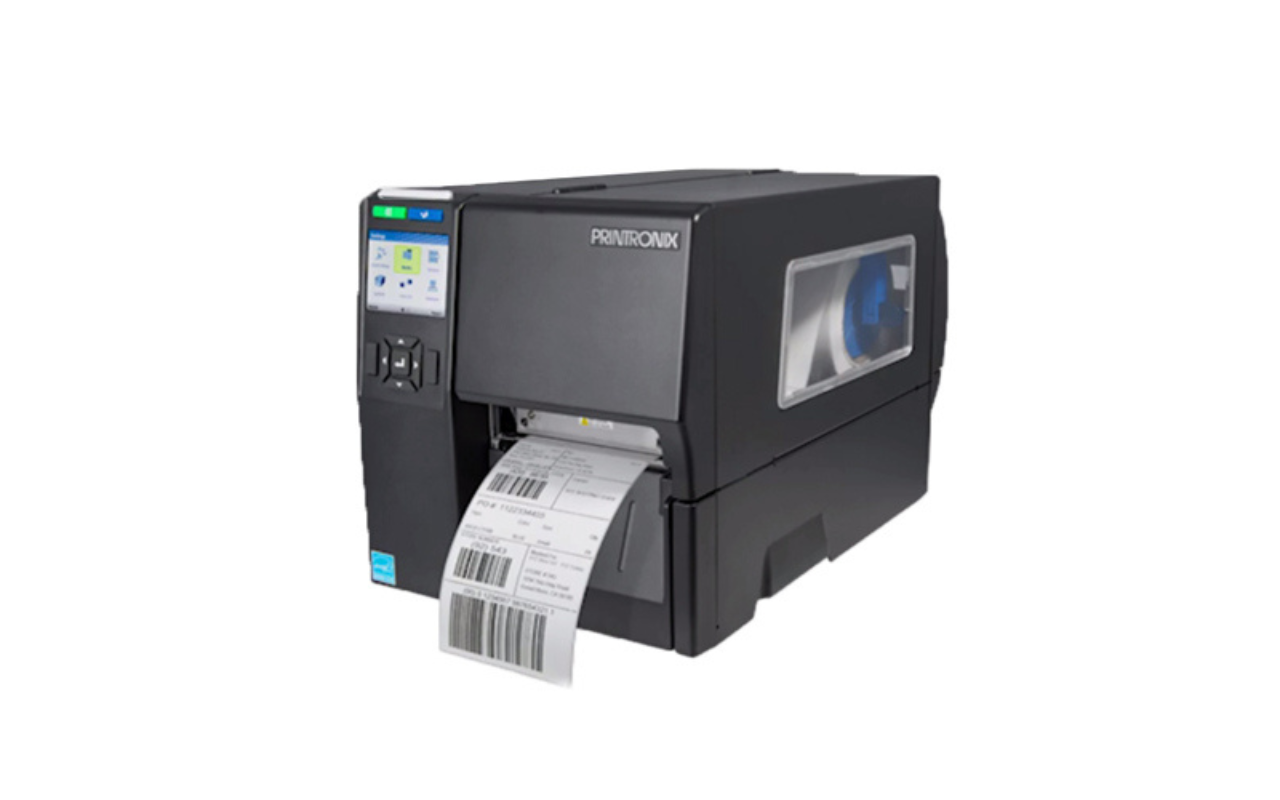
OUR RECOMMENDATION: Printronix T4000
For high-volume labeling where speed and reliability matter more than ultra-fine detail, the Printronix T4000 203 DPI industrial printer is built to perform day in and day out. It’s a strong choice for shipping, warehouse, and logistics environments that need fast output, durable construction, and consistent barcode performance.
Best for:
High-volume shipping labels
Large format labels
Warehouse and pallet labeling
Fast throughput environments
Benefits:
Faster print speeds
Lower consumable costs
Longer printhead life
Extremely reliable scanning
300 DPI Industrial Printers
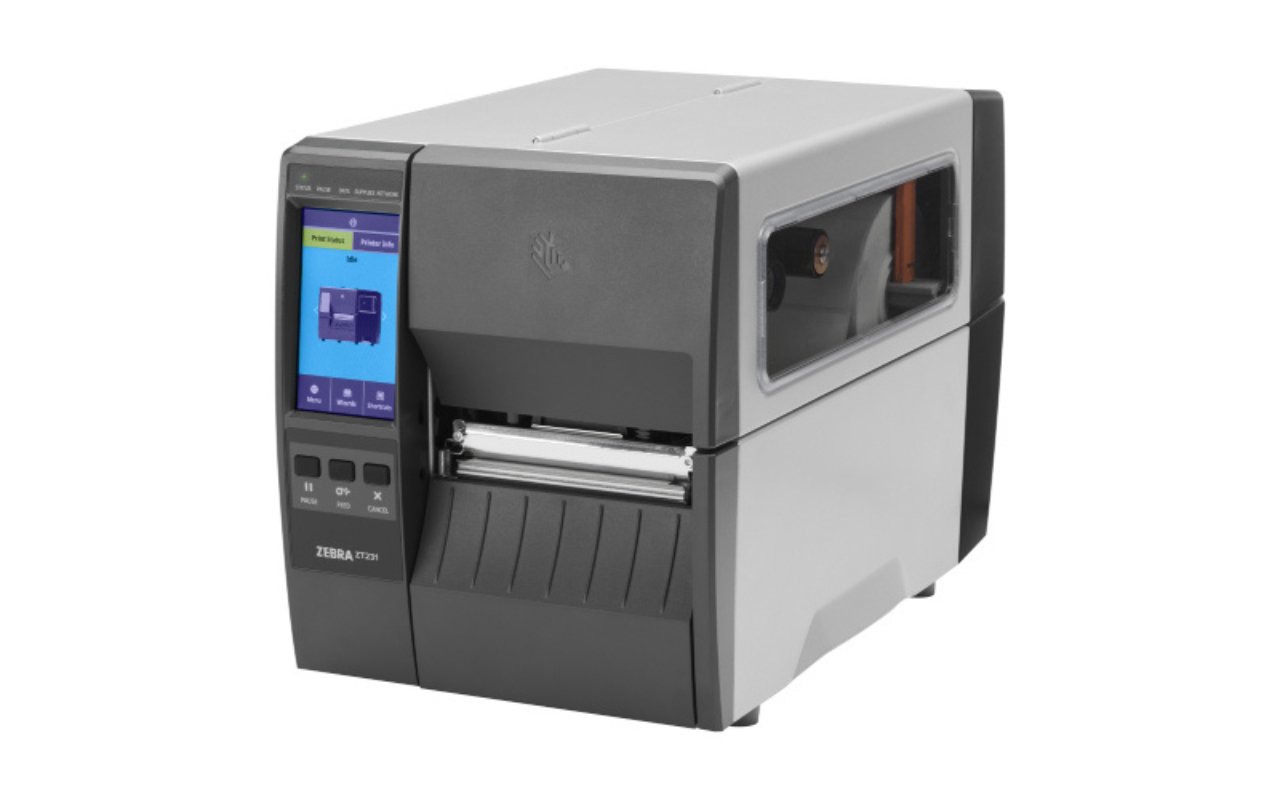
OUR RECOMMENDATION: The Zebra ZT231
If you want high-quality 300 DPI output with room to grow, the ZT231 hits the sweet spot between performance and price. With touchscreen operation, robust connectivity, and optional upgrades like RFID and wireless, it covers the majority of real-world labeling needs without overbuying resolution.
The true “sweet spot” for most operations.
Best for:
Product labeling
Medium-density barcodes
Smaller labels without micro-text
Applications needing sharper text but not extreme detail
Benefits:
Excellent balance of clarity and speed
Widely compatible with media
Strong scan performance
Lower cost than 600 DPI with most of the benefits
When You Should Buy a 600 DPI Industrial Printer
Now, let’s be clear: 600 DPI absolutely has a place. You just need a real reason.
You should strongly consider a 600 DPI printer if you are dealing with any combination of the following:
Extremely Small Labels
If your labels are physically small and must contain a lot of information, higher resolution becomes critical.
Examples:
0.5” x 0.5” or smaller labels
Micro-labels for electronics
Compact pharmaceutical containers
Very Small Text
If your label requires:
Fine legal disclaimers
Dense ingredient lists
Multi-language text blocks
Human-readable text under 4–5 pt size
600 DPI may be the only way to keep text legible.
High-Density Barcodes
Certain barcodes require extremely fine module widths.
Examples:
Dense DataMatrix codes
High-density QR codes on small labels
Barcodes printed near minimum size tolerances
High-End Product Labeling
If branding and visual precision matter at close inspection, higher DPI can help.
Examples:
Cosmetic packaging
Specialty health products
Premium retail goods
Boutique or luxury labeling
Regulatory or Compliance Requirements
Some industries require labels that remain readable under magnification or strict inspection.
Examples:
Pharmaceuticals
Medical devices
Laboratory sample labeling
Electronics and components
If You Do Need a 600 DPI Industrial Printer…
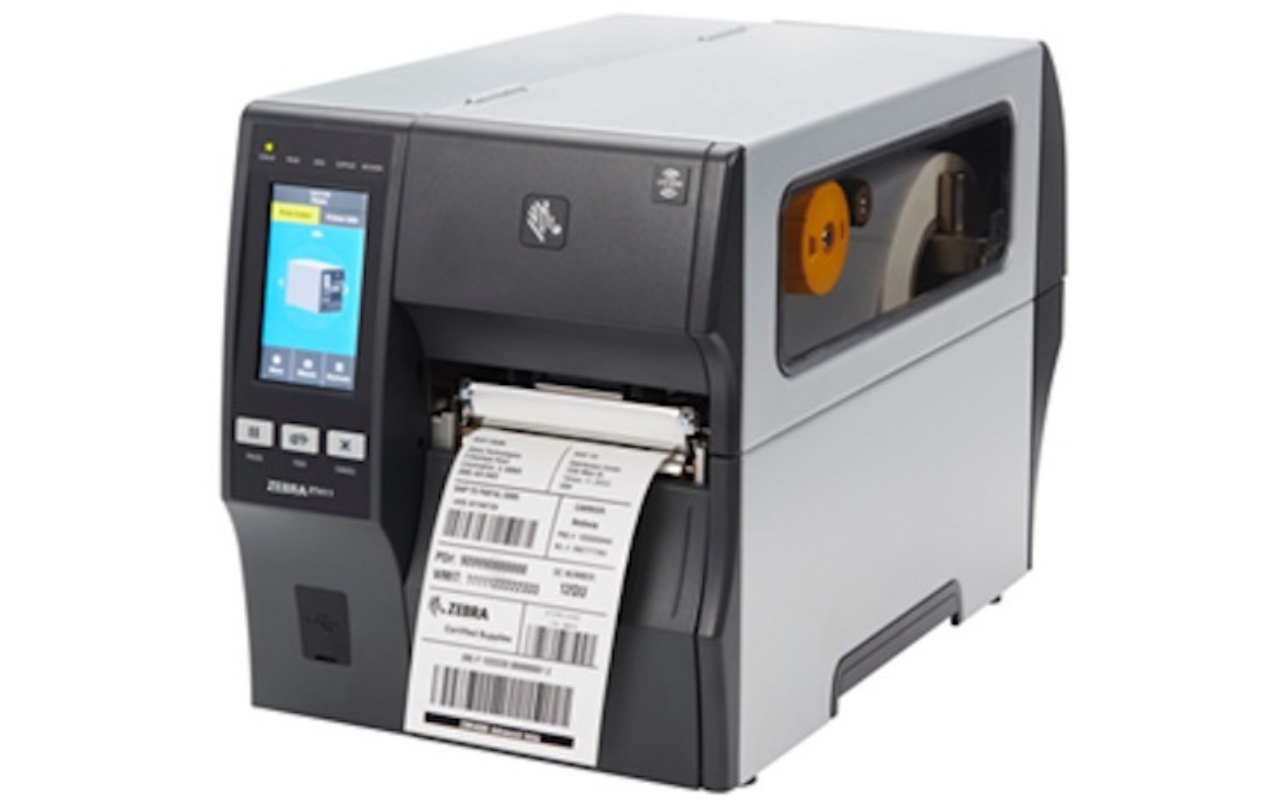
OUR RECOMMENDATION: The Zebra ZT411
The Zebra ZT411 600 DPI industrial printer is built for applications that demand extreme precision, making it ideal for micro text, dense barcodes, and high-detail labeling where lower resolutions fall short. With advanced connectivity, field-upgradable options, and Zebra’s Print DNA platform, it delivers long-term reliability for specialized, high-resolution environments.

Still not sure what DPI printer you need?
The right choice is not about the highest number. It is about the right tool for the job. If you still aren’t sure which option is the right choice for you, we make it simple, fill out the quick form below, and our printer experts will guide you to the right choice!